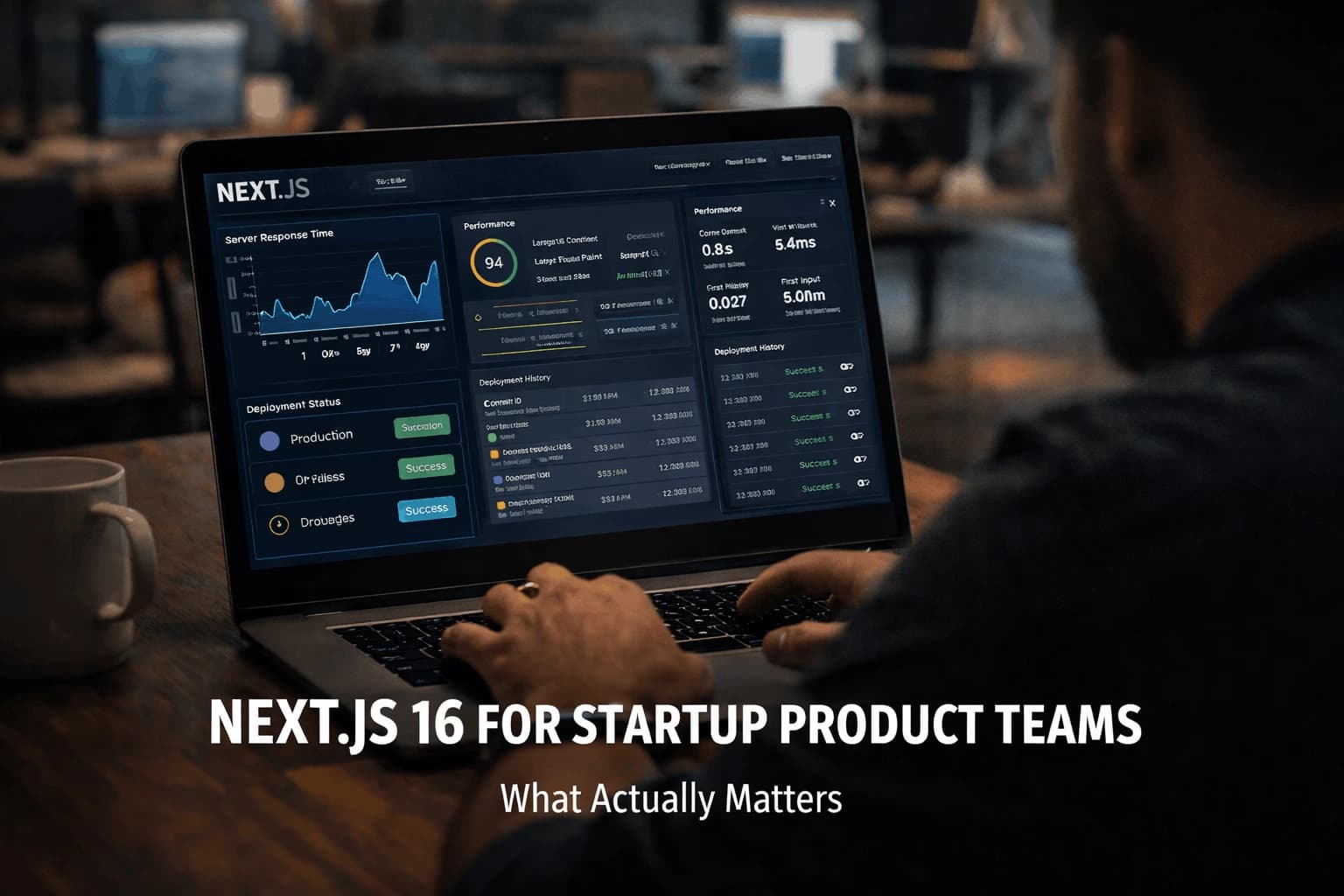
Next.js 16 for Startup Product Teams: What Actually Matters
A practical view of which Next.js 16 capabilities actually improve speed, reliability, and long-term maintainability.
Read articleA practical delivery system to launch AI products in weeks while keeping architecture production-ready.
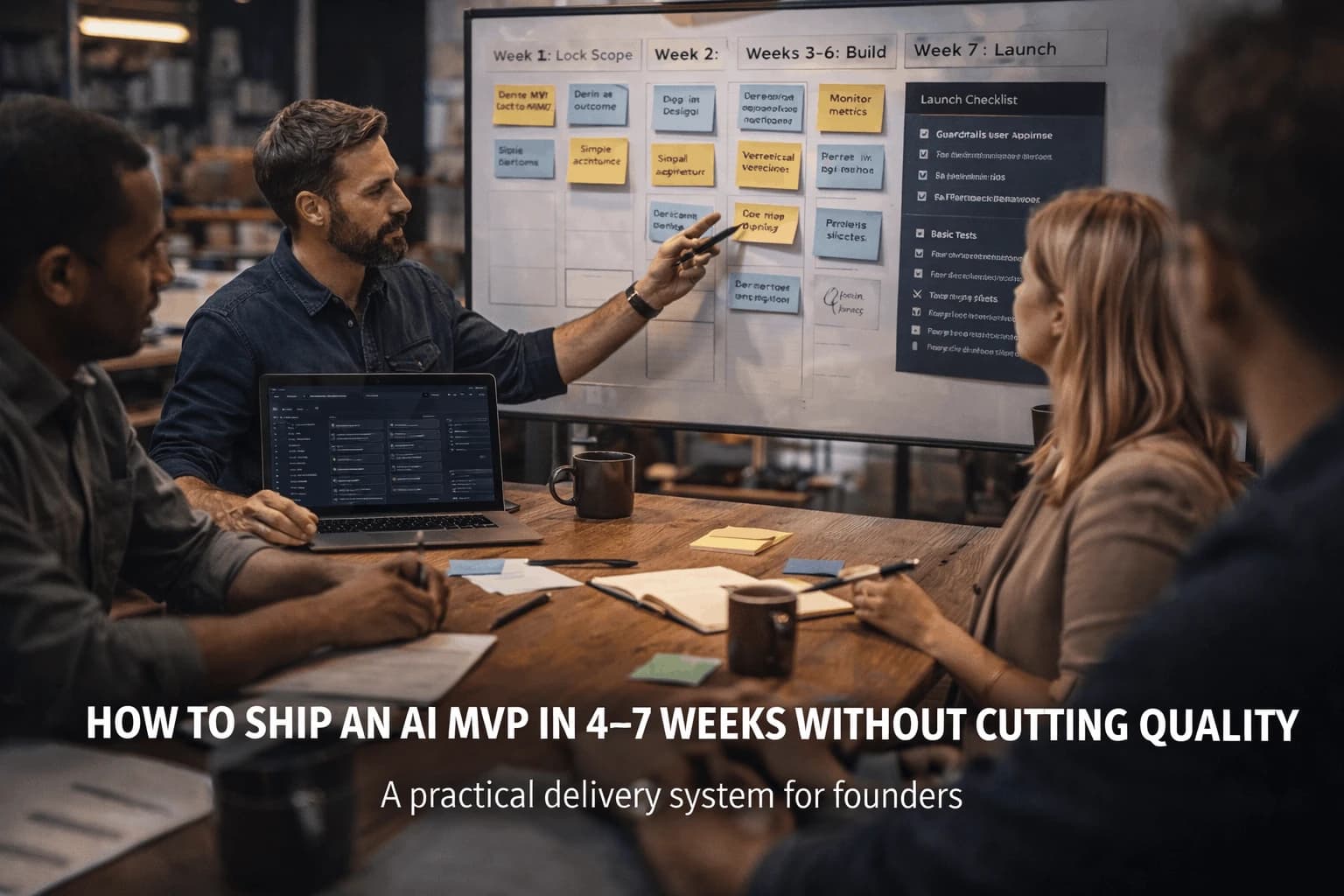
A practical delivery system to launch AI products in weeks while keeping architecture production-ready.
Most startup teams do not struggle because of ideas.
The challenge is usually timing. Teams invest months building before they have enough real user feedback.
With AI products, this becomes more complex. Model choices, orchestration, and feature scope can expand quickly.
A tighter delivery model helps teams learn earlier and reduce risk.
The goal is not to ship everything. The goal is to ship one complete user outcome, quickly and reliably.
Result:
A clear MVP scope and a defined "not now" list
Result:
Final wireframes and an implementation plan with milestones
Result:
Working product behavior in staging, not isolated components
Result:
Production launch and a data-informed next iteration
Speed works best when it is supported by the right foundations.
Minimum guardrails for AI MVPs:
Fast delivery becomes more valuable when it is repeatable.
To keep momentum aligned, these questions help:
Clear answers to these questions usually indicate healthy progress.
If you are planning an MVP and want to move quickly with a production-ready approach, contact us or book a call.
Share this article

Michael G
Founder (Product & Engineering)
Founder-led product engineering focused on fast execution and measurable outcomes.
A practical view of which Next.js 16 capabilities actually improve speed, reliability, and long-term maintainability.
Read article
Use this 30-60-90 day execution plan to turn an AI product launch into measurable retention, reliability, and product-market traction.
Read article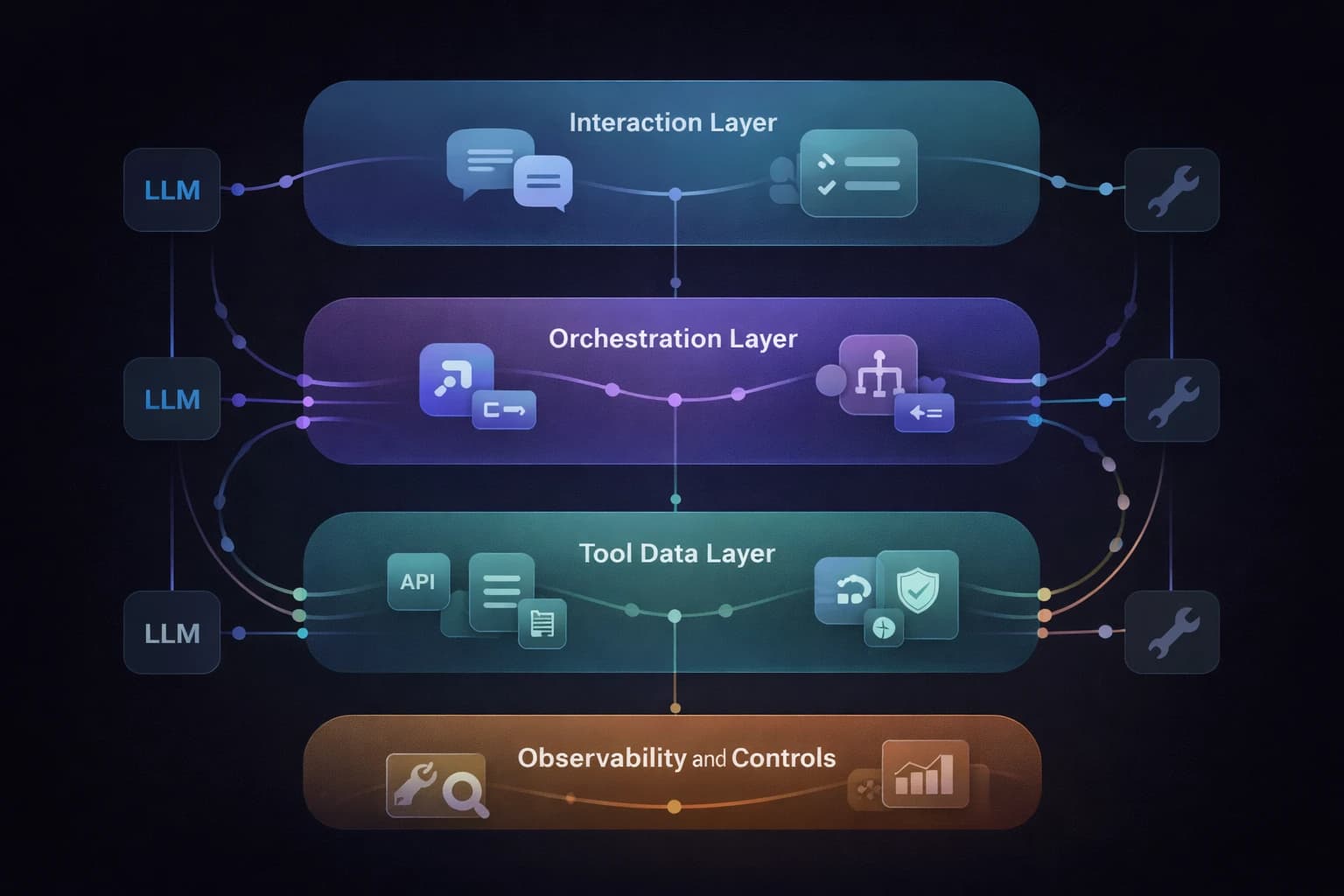
A founder-friendly breakdown of the modern AI agent stack and the minimum architecture needed to launch reliable agent workflows.
Read articleBook a focused call and we can map scope, delivery approach, and execution plan.